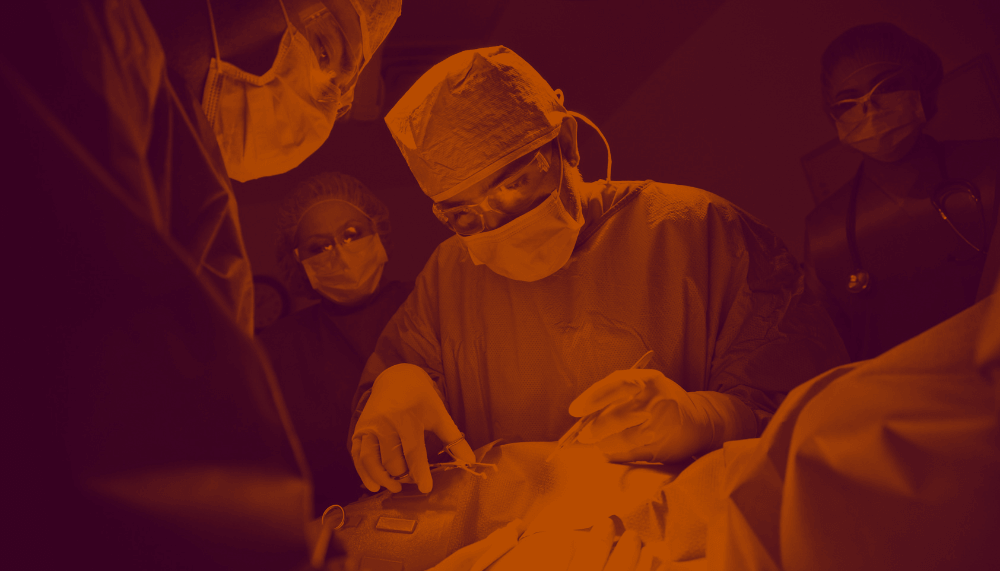
From the Operating Room to Patient Care: The Medical Textiles Hospitals Rely On
Walk into any hospital and you will find textile products supporting care at almost every stage — from the operating room , patient rooms, examination areas and recovery spaces. These technical textile contribute to hygiene, protection, patient comfort and daily care. At Dizayn Medikal, we manufacture disposable and reusable medical textile solutions in Türkiye for hospitals and clinics.
In the Operating Room: Protection Starts with the Right Textile
The operating room demands carefully selected protective products for both healthcare professionals and patients.
Surgical gowns, masks, head caps, shoe covers and other protective textiles can form part of the protective measures used during surgical and clinical procedures. Product selection depends on the procedure, required level of protection and applicable standards.
On Every Hospital Bed: Practical Patient Textiles
Hospital beds are at the centre of patient care and are used continuously throughout the day.
Disposable bed sheets and pillowcases offer a practical single-use solution for selected applications, while patient gowns, disposable shorts and underwear provide convenient options during examinations, treatments and procedures.
Together, these products can help hospitals manage patient changes efficiently while maintaining comfort and dignity.
For Examinations and Procedures: Practical Patient Wear
Certain medical examinations require patient clothing that provides easy access for doctors and nurses while maintaining patient comfort and dignity.
Disposable examination shorts, including colonoscopy shorts, can be used in gastroenterology and diagnostic settings for procedures such as colonoscopy and other examinations where access to the relevant area is required.
Dizayn Medikal provides disposable patient shorts and underwear designed for practical use in healthcare environments.
Around the Hospital Bed: Supporting Nurses and Caregivers
Medical textiles are also part of the everyday work of nurses and caregivers.
Patient washing require products that are hygienic, practical and easy to handle. A disposable patient washing system can provide a convenient solution for bedside hygiene, particularly for patients with limited mobility or those who cannot easily access traditional bathing facilities.
They can be particularly relevant in hospitals, oncology units, elderly care and long-term care facilities.
In Oncology Care: Comfort During Treatment
Oncology departments have specific patient-care requirements. Patients may spend extended periods in treatment or day-care areas, making comfortable and practical patient textiles an important part of the care environment.
Depending on the application, oncology facilities may use patient gowns, disposable bed sheets, pillowcases, shorts, underwear, slippers, masks and other protective products.
Dizayn Medikal's medical textile portfolio includes:
disposable bed sheets, surgical gowns, patient gowns, face masks, head caps, shoe covers, disposable slippers, disposable underwear and other textile solutions.
Our portfolio allows hospitals and distributors to source multiple textile solutions from one manufacturing partner.
From Türkiye to Healthcare Professionals Worldwide
Behind every surgical gown, bed sheet, patient garment or bed-care product is a combination of materials, manufacturing expertise, quality control and people.
From our production facility in Türkiye to hospitals and clinics around the world, Dizayn Medikal provides disposable and reusable medical textile solutions for professional healthcare environments.