







Blog
Medical Textile Blog & Industry Insights
Explore expert content on medical textiles and nonwoven fabrics, including certification guides, technical insights and product updates from Dizayn Medical.
We publish in-depth articles on ISO 13485, EN 13795 and OEKO-TEX standards covering disposable medical textiles, reusable medical garments and disposable hotel textiles for hospital, clinic and hospitality procurement.
Find technical guides and industry news on products including patient gowns, surgical gowns, nonwoven compresses and corpse bags all manufactured to CE and ISO certified standards at our facility in Turkey.
Browse all our product categories at our product groups page.
Sterile Surgical Gowns: Protection, Comfort & Reliable Quality
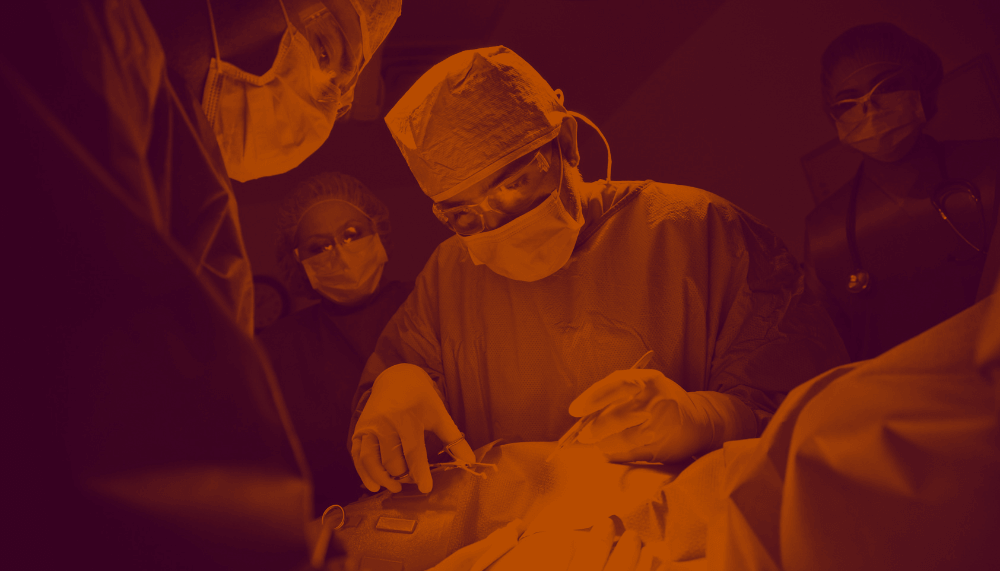
Sterile surgical gowns are an essential part of protective clothing in operating rooms. They provide a barrier between healthcare professionals and the surgical environment, helping support infection-control practices during procedures.
A quality sterile surgical gown should combine effective protection, comfort, breathability, and freedom of movement. Features such as secure cuffs, reliable closures, appropriate sizing, and reinforced areas can improve both protection and usability.
Sterilization & Packaging
Before reaching healthcare facilities, sterile surgical gowns undergo a validated sterilization process suitable for the product and its materials. Proper sterile-barrier packaging then helps maintain sterility until the gown is opened for use.
For hospitals and medical distributors, it is also important to consider consistent manufacturing quality, packaging integrity, regulatory documentation, and reliable supply when selecting a supplier.
Sterile Surgical Gowns from Turkey
Dizayn Medikal is a Turkish medical textile manufacturer supplying disposable and sterile medical products to healthcare professionals, hospitals, distributors, and international procurement organizations.
Our sterile surgical gowns are developed with a focus on protection, comfort, quality, and dependable supply.
Looking for a reliable sterile surgical gown manufacturer in Turkey? Contact Dizayn Medikal to discuss your requirements.

From the Operating Room to Patient Care: The Medical Textiles Hospitals Rely On
Walk into any hospital and you will find textile products supporting care at almost every stage — from the operating room , patient rooms, examination areas and recovery spaces. These technical textile contribute to hygiene, protection, patient comfort and daily care. At Dizayn Medikal, we manufacture disposable and reusable medical textile solutions in Türkiye for hospitals and clinics.
In the Operating Room: Protection Starts with the Right Textile
The operating room demands carefully selected protective products for both healthcare professionals and patients.
Surgical gowns, masks, head caps, shoe covers and other protective textiles can form part of the protective measures used during surgical and clinical procedures. Product selection depends on the procedure, required level of protection and applicable standards.
On Every Hospital Bed: Practical Patient Textiles
Hospital beds are at the centre of patient care and are used continuously throughout the day.
Disposable bed sheets and pillowcases offer a practical single-use solution for selected applications, while patient gowns, disposable shorts and underwear provide convenient options during examinations, treatments and procedures.
Together, these products can help hospitals manage patient changes efficiently while maintaining comfort and dignity.
For Examinations and Procedures: Practical Patient Wear
Certain medical examinations require patient clothing that provides easy access for doctors and nurses while maintaining patient comfort and dignity.
Disposable examination shorts, including colonoscopy shorts, can be used in gastroenterology and diagnostic settings for procedures such as colonoscopy and other examinations where access to the relevant area is required.
Dizayn Medikal provides disposable patient shorts and underwear designed for practical use in healthcare environments.
Around the Hospital Bed: Supporting Nurses and Caregivers
Medical textiles are also part of the everyday work of nurses and caregivers.
Patient washing require products that are hygienic, practical and easy to handle. A disposable patient washing system can provide a convenient solution for bedside hygiene, particularly for patients with limited mobility or those who cannot easily access traditional bathing facilities.
They can be particularly relevant in hospitals, oncology units, elderly care and long-term care facilities.
In Oncology Care: Comfort During Treatment
Oncology departments have specific patient-care requirements. Patients may spend extended periods in treatment or day-care areas, making comfortable and practical patient textiles an important part of the care environment.
Depending on the application, oncology facilities may use patient gowns, disposable bed sheets, pillowcases, shorts, underwear, slippers, masks and other protective products.
Dizayn Medikal's medical textile portfolio includes:
disposable bed sheets, surgical gowns, patient gowns, face masks, head caps, shoe covers, disposable slippers, disposable underwear and other textile solutions.
Our portfolio allows hospitals and distributors to source multiple textile solutions from one manufacturing partner.
From Türkiye to Healthcare Professionals Worldwide
Behind every surgical gown, bed sheet, patient garment or bed-care product is a combination of materials, manufacturing expertise, quality control and people.
From our production facility in Türkiye to hospitals and clinics around the world, Dizayn Medikal provides disposable and reusable medical textile solutions for professional healthcare environments.

Pique: Bed Covers with Premium Quality for Premium Comfort
A high-quality bed cover is essential for creating clean, comfortable, and welcoming environments in both healthcare and hospitality facilities. Pique bed covers are designed to provide the perfect balance of comfort, durability, and elegance, making them an excellent choice for hospitals, clinics, hotels, resorts, and care centers.
Manufactured with premium materials, pique bed covers offer a soft feel, a refined textured finish, and excellent breathability. Their durable construction ensures long-lasting performance, even under frequent industrial washing, while maintaining their shape, color, and quality over time.
Why Choose Pique Bed Covers?
- Premium quality fabric for superior comfort
- Lightweight and breathable design
- Durable and suitable for frequent commercial laundering
- Elegant appearance for professional environments
- Easy to maintain and quick to dry
- Available in various sizes and colors
Whether providing comfort to patients or enhancing the guest experience, pique bed covers deliver reliable performance and a professional appearance. Their combination of comfort, durability, and easy maintenance makes them a preferred bedding solution for healthcare and hospitality professionals worldwide.
At Dizayn Medikal, we manufacture premium textile solutions designed to meet the highest quality standards, helping hospitals and hotels create hygienic, comfortable, and welcoming spaces.

Hypothermia Blankets: Thermal Protection When Every Second Counts
In emergency situations, maintaining body temperature can make a critical difference. Whether responding to an accident, assisting an injured patient, or facing extreme outdoor conditions, an emergency hypothermia blanket is an essential item designed to help protect individuals from heat loss until further medical care is available.
At Dizayn Medikal, we understand the importance of dependable emergency medical supplies. Our Emergency Hypothermia Blankets are designed to support healthcare professionals, emergency responders, and rescue teams by providing effective thermal protection whenever it is needed most.
Why Emergency Hypothermia Blankets Matter
Exposure to cold environments, trauma, or prolonged outdoor conditions can quickly lead to hypothermia. Emergency blankets help retain body heat and create a protective barrier against wind, rain, and other environmental factors, making them an important part of first aid and emergency response.
Lightweight and easy to store, they are ideal for emergency kits, ambulances, disaster response equipment, and rescue operations.
Designed for Emergency Preparedness
Dizayn Medikal's Emergency Hypothermia Blankets are manufactured to provide reliable thermal protection while remaining practical for rapid deployment. Their compact design allows responders to carry them easily and use them immediately when required.
They are suitable for both professional medical use and emergency preparedness in challenging environments.
Ideal Applications
Our Emergency Hypothermia Blankets are widely used by:
Emergency medical services (EMS)
Hospitals and healthcare facilities
Search and rescue teams
First responders
Military and civil defense organizations
Disaster relief teams
Outdoor rescue professionals
Emergency preparedness and survival kits
Why Choose Dizayn Medikal?
As a trusted manufacturer of medical disposable products, Dizayn Medikal is committed to delivering high-quality solutions that meet the needs of healthcare providers and emergency response organizations worldwide. We combine reliable manufacturing, international quality standards, and export expertise to support professionals when performance matters most.
Whether you are sourcing products for hospitals, government tenders, emergency response organizations, or international distribution, our team is ready to support your requirements.
Contact Dizayn Medikal for bulk orders, export inquiries, or to request our product catalog.
info@dizaynmed.com.tr
+90 533 894 0384
Disposable Patient Washing System: Safe and Efficient Solution for Patient Hygiene
Maintaining patient hygiene is essential for preventing infections, improving comfort, and ensuring dignity in every healthcare setting. For hospitals, nursing homes, rehabilitation centers, and home healthcare providers, traditional bed bathing can be time-consuming, labor-intensive, and may increase the risk of cross-contamination.
A Disposable Patient Washing System offers a practical, hygienic, and efficient alternative designed to simplify patient care while meeting the highest infection control standards.
What Is a Disposable Patient Washing System?
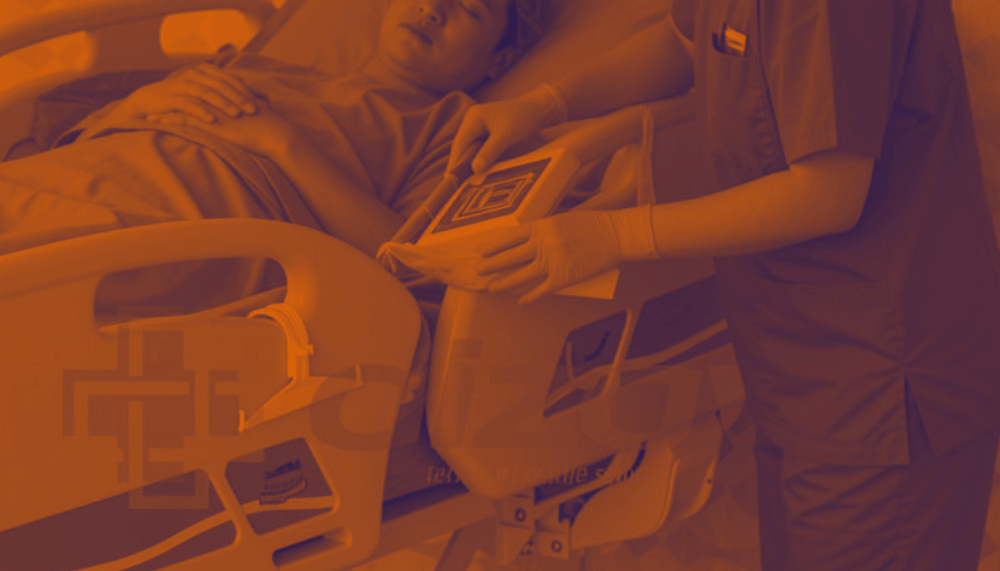
A Disposable Patient Washing System is a single-use hygiene solution that enables nurses to wash bedridden or mobility-impaired patients safely and comfortably without the need of transferring them to a bathroom.
The system typically includes everything needed for a complete body wash, helping healthcare professionals maintain high hygiene standards while reducing cleaning time and minimizing contamination risks.
Key Benefits of Disposable Patient Washing Systems
- Superior Infection Control
Because every system is designed for single-patient use, the risk of cross-contamination is significantly reduced.
- Improved Patient Comfort
Patients can receive a complete body wash without unnecessary movement, reducing discomfort and stress during daily care routines.
- Time-Saving for Healthcare Professionals
Traditional washing methods require multiple reusable items, cleaning, and preparation. Disposable systems streamline the entire process, allowing caregivers to provide efficient hygiene care while dedicating more time to patients.
- Reduced Laundry and Operational Costs
Using disposable products minimizes the need for laundering towels, washcloths, and reusable bathing accessories which optimizes operational efficiency.
- Convenient and Ready to Use
Designed for immediate use, making it ideal for emergency situations and ome healthcare services
Patient hygiene plays a critical role in healthcare quality and infection prevention. A Disposable Patient Washing System offers a modern, safe, and efficient solution that enhances both patient comfort and caregiver productivity.
Choosing a High-Quality Disposable Washing System
Important considerations include:
* Soft, skin-friendly materials
* Leak-resistant design
* Easy application
* Hygienic single-use packaging
* Compliance with international quality standards
Dizayn Medikal manufactures high-quality disposable medical textile solutions for healthcare professionals worldwide. Our Disposable Patient Washing Systems are designed to support infection prevention, improve caregiver efficiency, and provide a comfortable hygiene experience for patients.
With modern production facilities and international quality certifications, we supply hospitals, distributors, and healthcare organizations across global markets with reliable disposable medical products.

The Nurse's Best Friend: Why Waterproof Bed Sheets Matter
In busy healthcare environments, every minute counts. Waterproof bed sheets are often considered a nurse's best friend because they simplify daily patient care while improving hygiene and efficiency.
When spills or bodily fluids occur, the waterproof barrier prevents liquids from reaching the mattress. Instead of replacing or deep-cleaning the mattress, caregivers only need to change the bed sheet, significantly reducing cleaning time and allowing patients to be accommodated more quickly.
Waterproof bed sheets also help nurses:
- Save valuable time during bed changes and patient transfers.
- Reduce physical effort by minimizing the need for extensive mattress cleaning.
- Support infection prevention by limiting contamination and cross-transmission.
- Improve patient comfort by keeping the sleeping surface clean and dry.
Increase operational efficiency, especially in high-turnover departments such as emergency rooms, intensive care units, maternity wards, and long-term care facilities.
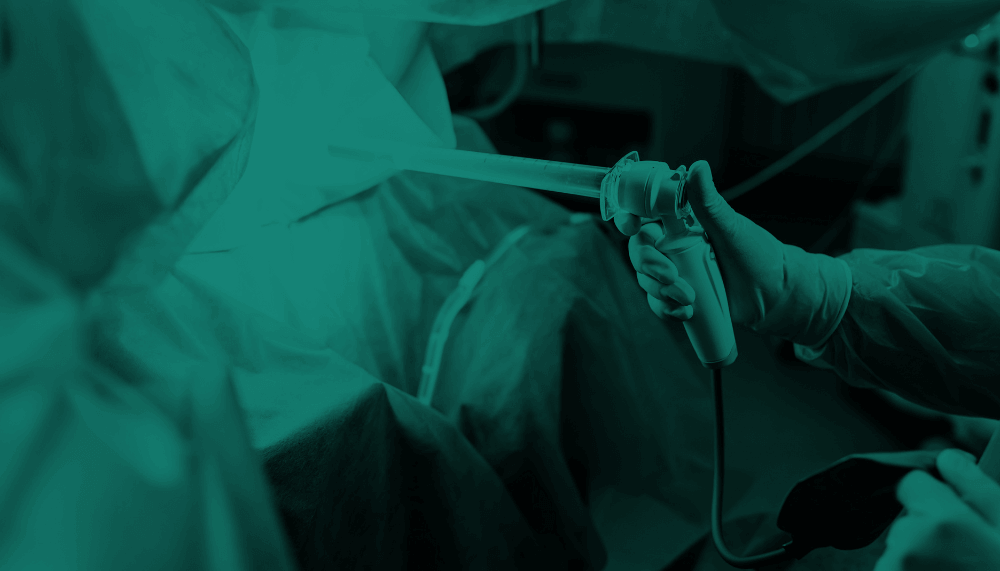
Colonoscopy Shorts : Enhancing Patient Privacy and Comfort During Endoscopic Procedures
Colonoscopy shorts are a disposable medical garment designed to preserve patient dignity and improve comfort during colonoscopy and other lower gastrointestinal examinations. By providing discreet coverage while allowing healthcare professionals easy access to the examination area, colonoscopy shorts contribute to a more positive patient experience.
Why Use Disposable Colonoscopy Shorts ?
Many patients feel anxious before a colonoscopy. Disposable colonoscopy shorts help reduce embarrassment by maintaining privacy throughout the procedure. Made from soft, lightweight nonwoven fabric, it offers comfort while supporting infection prevention protocols through single-use application.
Key Benefits:
- Enhances patient privacy and dignity
- Comfortable, breathable nonwoven material
- Disposable for improved hygiene
- Easy access for medical examinations
- Suitable for hospitals, clinics, endoscopy centers, and outpatient facilities
- Reliable Disposable Medical Textile Solutions
At Dizayn Medikal, we manufacture high-quality disposable colonoscopy shorts designed to meet the needs of healthcare professionals and patients. We also offer OEM/Private Label production, flexible manufacturing solutions, and reliable supply for hospitals, distributors, and medical procurement projects worldwide.
Whether you are looking for a trusted manufacturer of disposable medical textiles or customized healthcare solutions, Dizayn Medikal delivers quality, comfort, and reliability.
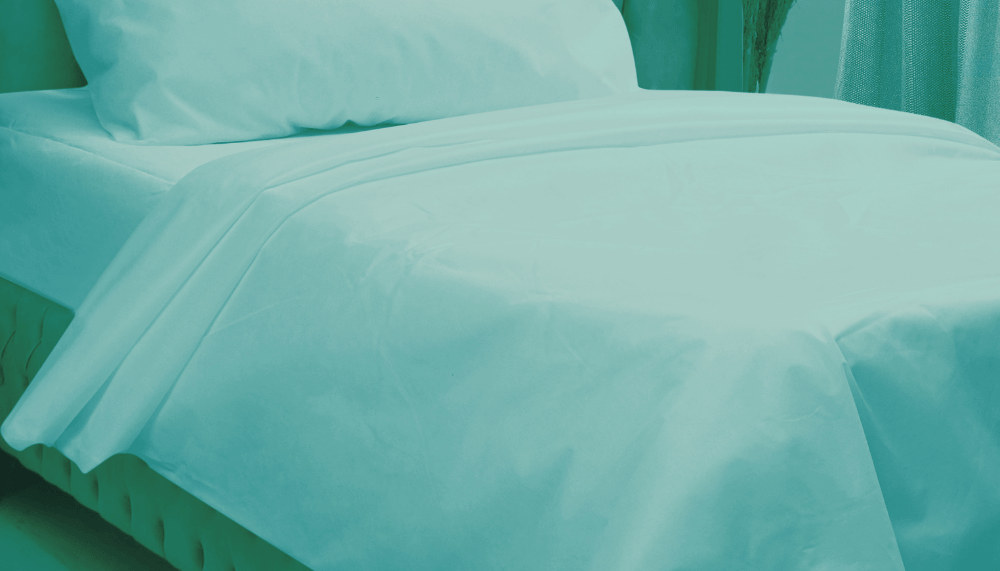
What Are Disposable Bed Sheets and How Are They Used?
Disposable bed sheets are typically manufactured from soft and durable nonwoven materials. They are designed to fit different bed and examination table sizes and are placed directly on the mattress or examination couch before each patient. After use, the sheet is discarded and replaced with a new one, helping maintain a hygienic environment.
Advantages of Disposable Bed Sheets
Disposable bed sheets offer several important benefits for healthcare facilities:
Cleanliness and Protection: They help protect mattresses and examination tables from dirt, fluids, and other contaminants while providing a fresh surface for every patient.
Comfort: Made from soft and breathable materials, disposable bed sheets offer a comfortable surface during examinations and treatments.
Convenience: Their single-use design allows for quick replacement, saving time between patients and supporting efficient workflow.
Where Are Disposable Bed Sheets Used?
Disposable bed sheets are widely used in healthcare environments, including:
- Hospitals
- Private clinics
- Medical examination rooms
- Healthcare centers
- Emergency departments
- Nursing homes
They are an essential medical textile for facilities that require hygienic, practical, and reliable patient care solutions.
At Dizayn Medikal, we manufacture high-quality disposable bed sheets designed to meet the needs of hospitals, clinics, and healthcare distributors worldwide, offering reliable products that combine hygiene, comfort, and practicality.
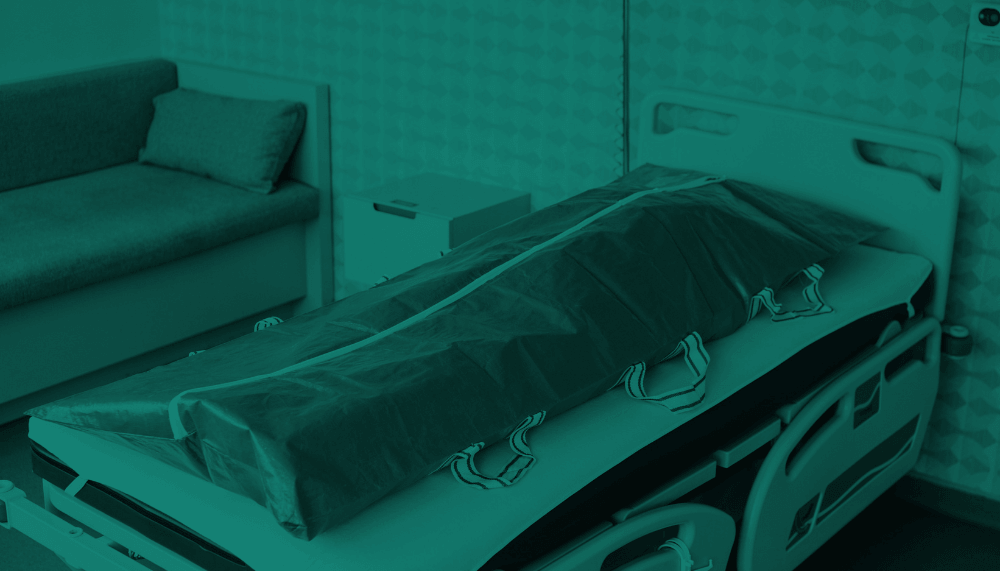
Corpse Bags : The Complete Guide to Safe Body Transportation
High-quality corpse bags, also known as body bags or mortuary bags, play an essential role in protecting healthcare workers, first responders, funeral professionals, and the public while preserving the dignity of the deceased.
What Is a Corpse Bag?
A corpse bag is a specially designed protective bag used for the secure transportation, storage, and handling of deceased individuals. It minimizes the risk of contamination, prevents fluid leakage, and facilitates safe handling during medical , emergency, and disaster response operations.
Corpse bags are widely used by:
Hospitals, Morgues ,Funeral homes, Ambulance services ,Civil protection agencies, Military organizations ,Disaster response teams, Humanitarian organizations ,Forensic institutes ,Municipal authorities
The History of the Corpse Bag: From Military Innovation to Modern Healthcare
Although there is no single inventor of the corpse bag, its development was driven by the need for safer handling of human remains during wars, public health crises, and natural disasters.
Before modern corpse bags were introduced, the deceased were often transported using blankets, canvas stretchers, or fabric coverings. While these methods served their purpose, they provided little protection against fluid leakage, contamination, or environmental exposure.
The modern body bag began to take shape during the mid-20th century, particularly throughout World War II and later during the Korean and Vietnam Wars.
Military forces required a standardized solution that was durable, waterproof, easy to transport, and suitable for identifying fallen personnel.
These innovations improved both safety and operational efficiency for military personnel, healthcare professionals, civil defense agency, or government procurement authority, Dizayn Medikal is your trusted manufacturing partner for premium-quality corpse bags.
Why High-Quality Corpse Bags Matter
Selecting a reliable corpse bag manufacturer is essential for maintaining safety standards and operational efficiency.
High-quality corpse bags offer several advantages:
Excellent leak resistance
Strong and durable materials
Easy and secure transportation
Reliable zipper systems
Reinforced carrying handles
Hygienic handling
Compliance with international quality standards
Dizayn Medikal Corpse Bags
As an experienced manufacturer of medical disposable textiles, Dizayn Medikal offers a wide range of corpse bags suitable for various applications.
Our products can be manufactured using different materials according to customer specifications and project requirements.
Every production batch undergoes strict quality control to ensure consistent performance and customer satisfaction.
What materials are used to manufacture corpse bags?
Corpse bags are manufactured using durable, waterproof materials designed to prevent leakage while ensuring safe and hygienic transportation. Depending on customer requirements, different material types and thicknesses are available.
Partner with Dizayn Medikal
Whether you are a hospital, medical distributor, funeral service provider, humanitarian organization, civil defense agency, or government procurement authority, Dizayn Medikal is your trusted manufacturing partner for premium-quality corpse bags.

Why Certifications Matter When Choosing a Medical Textile Manufacturer in Turkey
In the healthcare sector, product quality and regulatory compliance are non-negotiable. Whether you are a hospital, distributor, importer, or healthcare procurement professional, choosing a certified medical textile manufacturer in Turkey is essential to ensure patient safety, product reliability, and international market compliance.
Turkey has become one of the world's leading manufacturing hubs for medical textiles, combining advanced production capabilities with internationally recognized quality standards.
Medical textiles are used in critical healthcare environments where safety and hygiene are paramount. Working with a certified manufacturer helps ensure that products meet strict regulatory requirements and quality benchmarks.
Key certifications to look for include:
ISO 13485: Quality Management for Medical Devices
ISO 13485 is one of the most important certifications for medical textile manufacturers.
It demonstrates that the company operates under a quality management system specifically designed for medical devices and healthcare products.
Benefits include:
- Consistent product quality
- Risk management throughout production
- Enhanced traceability and documentation
- Compliance with international healthcare regulations
CE Marking and European Conformity
For products sold within the European market, CE marking demonstrates conformity with applicable European Union health, safety, and performance requirements.
Choosing a manufacturer that produces according to EU regulations helps distributors and healthcare providers access international markets with confidence.
EN 13795 Compliance
EN 13795 is the European standard governing surgical gowns, drapes, and clean air suits used in operating rooms.
Compliance ensures:
- High barrier protection
- Infection control performance
- Material strength and durability
- Suitability for surgical environments
Why Turkey Is a Leading Medical Textile Manufacturing Hub
Turkey has earned a strong reputation in the global healthcare supply chain thanks to:
- Advanced textile manufacturing infrastructure
- Strong quality control systems
- Strategic location connecting Europe, Asia, and Africa
- Competitive production costs
- Skilled workforce and modern production technologies
- Strong alignment with European regulatory standards
Additional Factors to Consider When Selecting a Manufacturer
Production Capacity
A reliable manufacturer should be able to support large-scale orders while maintaining consistent quality standards.
Strong production capacity enables:
- Stable supply chains
- Reliable delivery schedules
- Scalability for growing markets
- Export Experience
International export experience is crucial for ensuring smooth logistics and regulatory compliance.
Experienced exporters understand:
- International shipping procedures
- Customs documentation
- Market-specific requirements
- Regulatory expectations across Europe, the Middle East, and Africa
Product Customization and Private Label Solutions
Many distributors seek partners capable of providing:
- Private label manufacturing
- Custom packaging
- Product customization
- Brand-specific solutions
-> These services help businesses strengthen their market presence while maintaining product quality and compliance.
Why International Buyers Trust Certified Turkish Manufacturers
Healthcare distributors, hospitals, and importers choose Turkish manufacturers because they offer a combination of:
International certifications, European quality standards , Competitive pricing , Strong export capabilities, Reliable production capacity, Flexible customization options
Dizayn Medikal: Committed to Quality and International Compliance
At Dizayn Medikal, quality, safety, and compliance are at the core of our manufacturing process. Through certified production systems, adherence to international standards, and extensive export experience, we support healthcare partners across global markets with reliable medical textile solutions.
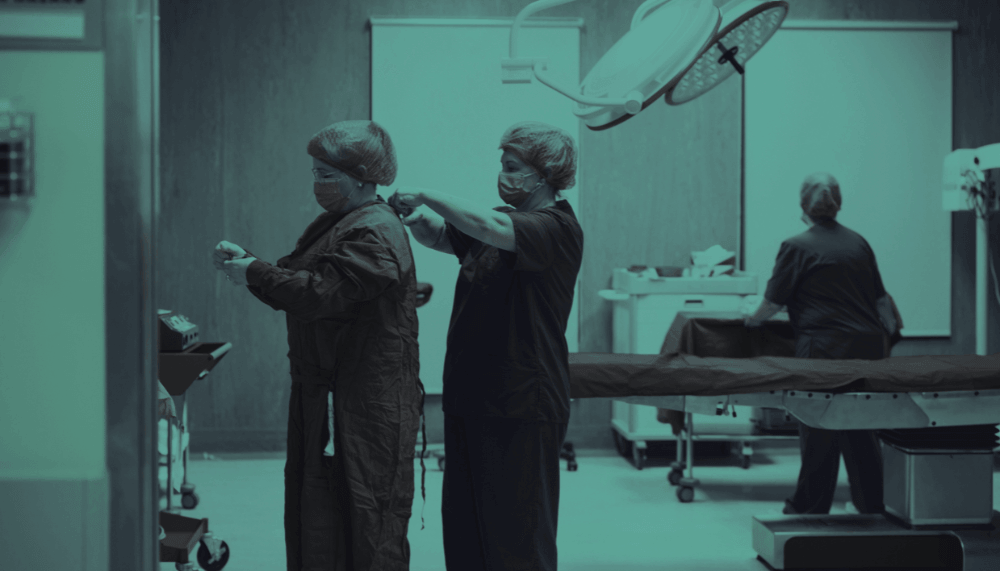
Hospitals are increasingly relying on disposable medical textiles to ensure higher hygiene standards, and reduce infection risks.
These single-use products are now a core part of healthcare systems, especially in surgical environments and high-risk medical procedures.
Why Hospitals Prefer Disposable Medical Textiles?
Hospitals are shifting toward disposable solutions for several important reasons:
1. Infection prevention: reduces cross-contamination between patients
2. Sterility assurance: each item is sterile and single-use
3. Operational efficiency: no need for washing or sterilization
4. Regulatory compliance: meets EU healthcare safety standards
5. Compliance with CE and ISO 13485 standards
Role in Infection Control
One of the main benefits of disposable medical textiles is their role in preventing hospital-acquired infections. These infections are a major global healthcare challenge, and disposable products significantly reduce the risk of contamination.
Disposable vs Reusable: The Key Difference
Unlike reusable textiles, disposable medical products eliminate the risk of improper sterilization. Even after industrial washing, reusable textiles may retain micro-contaminants, which can compromise patient safety.
Global Demand and Turkey’s Role
Countries like Germany, France, the UK, and Middle Eastern markets increasingly import medical textiles from Turkey, which has become a key manufacturing hub due to:
1. High-quality textile production infrastructure
2. Competitive pricing
3. Strong export capability
4. Compliance with CE and ISO 13485 standards
Manufacturers like Dizayn Medikal play a crucial role in supplying certified disposable medical textiles to global healthcare systems, ensuring safety, consistency, and compliance with international standards.
Disposable medical textiles are no longer optional, they are essential. They improve safety, reduce infection risks, and support modern hospital efficiency worldwide.
Best Suppliers of Medical Textile in Turkey
Turkey has become one of the most important global hubs for medical textile manufacturing, supplying hospitals, distributors, and private clinics across Europe, the Middle East, and Africa.
With a strong industrial base, skilled workforce, and compliance with international standards such as CE and ISO 13485, Turkish manufacturers are now recognized for delivering both quality and scalability in healthcare textile production.
Medical Textile Industry in Turkey
The Turkish medical textile sector is built on a well-developed production ecosystem and a strong export orientation.
- Leading suppliers in Turkey provide a wide range of essential healthcare products, including:
- Disposable surgical gowns and drapes
- Medical masks and protective apparel
- Nonwoven medical textiles
- Hospital consumables and hygiene products
What makes Turkey especially competitive is its ability to combine European-level quality standards with flexible and cost-efficient production. This balance has positioned the country as a trusted sourcing destination for international healthcare procurement.
Most Turkish manufacturers are also export-ready, offering:
- CE and ISO-certified production
- Fast production lead times
- Reliable logistics to global markets
- Scalable manufacturing capacity
Best Suppliers of Medical Textile in Turkey
Dizayn Medikal stands out as an innovative manufacturer operating in the disposable textile sector, delivering high-quality solutions for the medical, hospital, hotel, and home care industries.
Since its foundation, the company has been guided by a clear focus on hygiene, comfort, and consistent quality. This approach has shaped a diverse product range designed to meet both individual and large-scale institutional needs.
Dizayn Medikal manufactures a wide selection of disposable textile and medical products, including:
- Disposable bed linens and pillowcases
- Disposable towels and bathrobes
- Surgical gowns and surgical caps
- Medical masks and protective textiles
- Body bags and healthcare consumables
- Various hygiene and hospital solutions
All products are produced in modern facilities using materials that comply with international quality and safety standards, ensuring reliability in sensitive healthcare environments.
With a strong production infrastructure and an experienced team, Dizayn Medikal combines technical expertise with a highly customer-focused approach.
The company is built around three core principles:
- Consistent quality production
- Reliable hygienic solutions
- On-time delivery across domestic and international markets
Beyond being a supplier, Dizayn Medikal positions itself as a long-term and dependable business partner, supporting clients with stable production, flexible solutions, and export-oriented service.
Dizayn Medikal represents a modern and reliable manufacturer, offering certified disposable textile solutions that serve the evolving needs of healthcare and hospitality industries worldwide.
Reusable vs Disposable Surgical Textiles: Which Is Better?
In healthcare systems, hospitals and clinics must choose between reusable and disposable surgical textiles. This decision directly impacts infection control, cost efficiency, and patient safety.
Understanding Surgical Textiles
Surgical textiles include gowns, drapes, and protective covers used during medical procedures to maintain a sterile environment.
They are divided into two categories:
Reusable surgical textiles
Disposable surgical textiles
What Are Reusable Surgical Textiles?
Reusable textiles are made from woven fabric and designed to be washed and sterilized after each use.
Advantages:
Lower long-term cost (if properly maintained)
Environmentally reusable
Disadvantages:
Requires sterilization infrastructure
Fabric degradation over time
What Are Disposable Surgical Textiles?
Disposable textiles are single-use products designed for one-time use in sterile environments.
Advantages:
Guaranteed sterility
No washing or sterilization required
Reduced infection risk
Disadvantages:
Higher recurring supply cost
Global Hospital Preference
In Europe and the Middle East, hospitals increasingly prefer disposable surgical textiles due to stricter hygiene regulations and faster operational workflows.
Turkey’s Position in the Market
Turkey has become a leading supplier of both reusable and disposable surgical textiles due to:
Advanced textile manufacturing industry
Compliance with EU standards (EN 13795)
Strong export logistics network
Both systems have advantages, but disposable surgical textiles are increasingly becoming the global standard due to their safety and efficiency benefits.

Hospitals are increasingly relying on disposable medical textiles to ensure higher hygiene standards, and reduce infection risks.These single-use products are now a core part of healthcare systems, especially in surgical environments and high-risk medical procedures.
What Are Disposable Medical Textiles?
Disposable medical textiles are single-use fabric-based medical products designed for hygiene-sensitive environments such as hospitals, clinics, and laboratories. These include surgical gowns, drapes, masks, caps, and bed covers.
They are typically made from nonwoven materials that prevent bacterial transmission and ensure sterility throughout medical procedures.
Why Hospitals Prefer Disposable Medical Textiles?
Hospitals are shifting toward disposable solutions for several important reasons:
- Infection prevention: reduces cross-contamination between patients
- Sterility assurance: each item is sterile and single-use
- Operational efficiency: no need for washing or sterilization
- Regulatory compliance: meets EU healthcare safety standards
- Compliance with CE and ISO 13485 standards
Role in Infection Control
One of the main benefits of disposable medical textiles is their role in preventing hospital-acquired infections. These infections are a major global healthcare challenge, and disposable products significantly reduce the risk of contamination.
Disposable vs Reusable: The Key Difference
Unlike reusable textiles, disposable medical products eliminate the risk of improper sterilization. Even after industrial washing, reusable textiles may retain micro-contaminants, which can compromise patient safety.
Global Demand and Turkey’s Role
Countries like Germany, France, the UK, and Middle Eastern markets increasingly import medical textiles from Turkey, which has become a key manufacturing hub due to:
- High-quality textile production infrastructure
- Competitive pricing
- Strong export capability
- Compliance with CE and ISO 13485 standards
Manufacturers like Dizayn Medikal play a crucial role in supplying certified disposable medical textiles to global healthcare systems, ensuring safety, consistency, and compliance with international standards.
Disposable medical textiles are no longer optional, they are essential. They improve safety, reduce infection risks, and support modern hospital efficiency worldwide.

Choosing the right medical clothing is essential for comfort, professionalism, and hygiene. Whether you are purchasing medical scrubs for a clinic, hospital, or healthcare facility, selecting high-quality medical clothing can improve both staff performance and patient confidence.
What Makes a Good Medical Uniform?
The best medical uniforms combine:
- Breathable and comfortable fabrics
- Durable construction for daily use
- Easy industrial washing
- Professional appearance
- Freedom of movement during long shifts
Many hospitals choose polyester-cotton blends because they offer durability, comfort, and resistance to frequent laundering.
Which Color Should You Choose?
Medical uniform colors often depend on the department:
White: Doctors, laboratory staff, and medical consultations
Blue: General healthcare professionals and surgical teams
Green: Operating rooms and surgical departments
Color-coded uniforms help patients and staff easily identify healthcare roles. At Dizayn Medikal we help healthcare facilities maintain the highest standards of comfort and professionalism.
Why Quality Matters
Healthcare professionals wear their uniforms for long hours every day. Investing in premium medical clothing reduces replacement costs, improves comfort, and maintains a professional image.
Looking for a Reliable Medical clothing Supplier?
Dizayn Medikal provides high-quality doctor uniforms, medical scrubs, hospital uniforms, and healthcare workwear designed for hospitals, clinics, laboratories, and healthcare institutions.
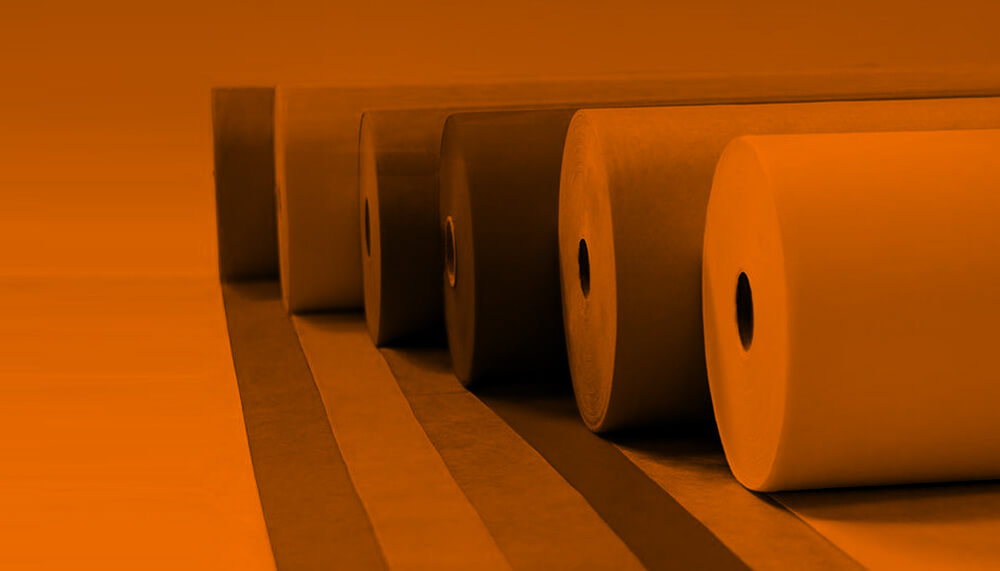
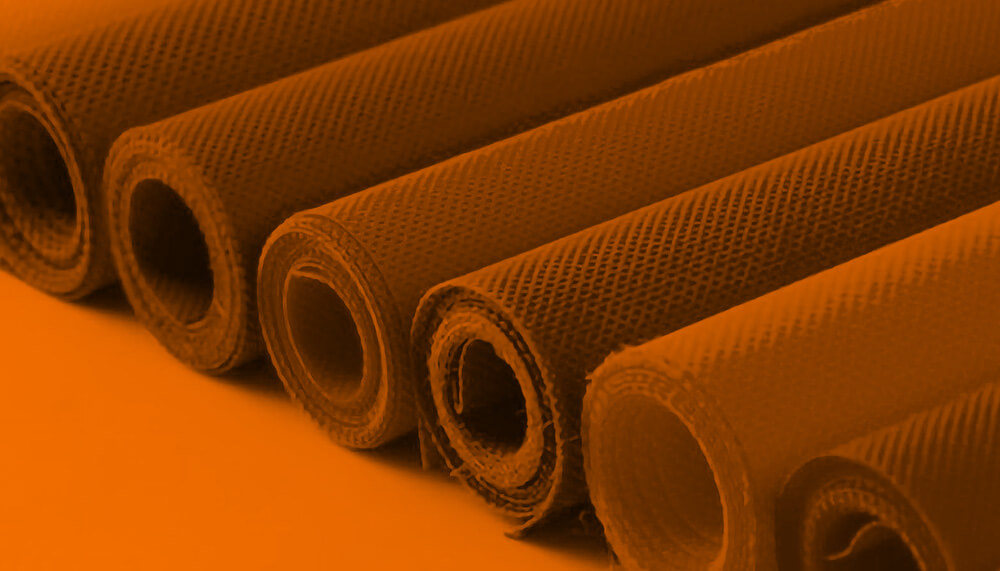
Nonwoven fabrics are textile materials produced without the traditional weaving or knitting process. Instead, they are manufactured by bonding, felting, or adhesion of fibers together. Nonwoven fabrics can be created by mechanically, chemically, or thermally bonding fibers.
Here are some characteristics of nonwoven fabrics:
1. Flexibility: Nonwoven fabrics are often flexible and can be easily folded, twisted, or shaped, allowing for various applications.
2. Lightweight: Nonwoven fabrics are typically lightweight, which makes them easy to carry and use.
3. Breathability: Many nonwoven fabrics allow air and moisture to pass through, providing a comfortable wearing experience.
4. Waterproofness: Some nonwoven fabrics possess waterproof properties, making them suitable for the production of water-resistant products.
5. Durability: Nonwoven fabrics are generally durable and resistant to wear and tear, making them suitable for the production of long-lasting products.
6. Easy Production: Nonwoven fabrics can be produced more quickly and cost-effectively compared to traditional weaving or knitting processes.
7. Variety: Nonwoven fabrics can have various properties depending on the type of fibers used and the production method employed. This versatility allows for their use in a wide range of applications.
Nonwoven fabrics find extensive use in industries such as hygiene products, medical materials, home textiles, automotive industry, and agriculture. Their flexibility, durability, and versatility make nonwoven fabrics a widely preferred textile material.
Certifications hold significant importance in the field of medical textiles due to the direct association of these products with human health. Here are some reasons why certifications are crucial in the medical textile field:
1. Quality Assurance: Quality is paramount in medical textile products. Certified products demonstrate adherence to specific standards, providing assurance of quality and reliability. This enhances the trustworthiness and effectiveness of the products.
2. Product Safety: Certified medical textile products are deemed safer and less risky for users. These products undergo specific tests to mitigate health risks and are manufactured in compliance with certain requirements, ensuring user safety.
3. Patient and Staff Safety: Ensuring the safety of patients and healthcare workers is paramount in the medical textile field. Certified products help reduce the risk of infections and ensure the safety of users.
4. Compliance with Regulations: Certifications related to medical textile products demonstrate compliance with local and international regulations. This proves that the products meet legal requirements, ensuring legal safety.
5. Market Access: Certified medical textile products are more readily accepted in the market and appeal to a broader customer base. Holding a certification provides customers with assurance regarding the quality and reliability of the products.
In conclusion, certifications play a vital role in ensuring product quality, safety, and compliance with regulations in the medical textile field. They enhance both manufacturer and user confidence and contribute to maintaining industry standards.
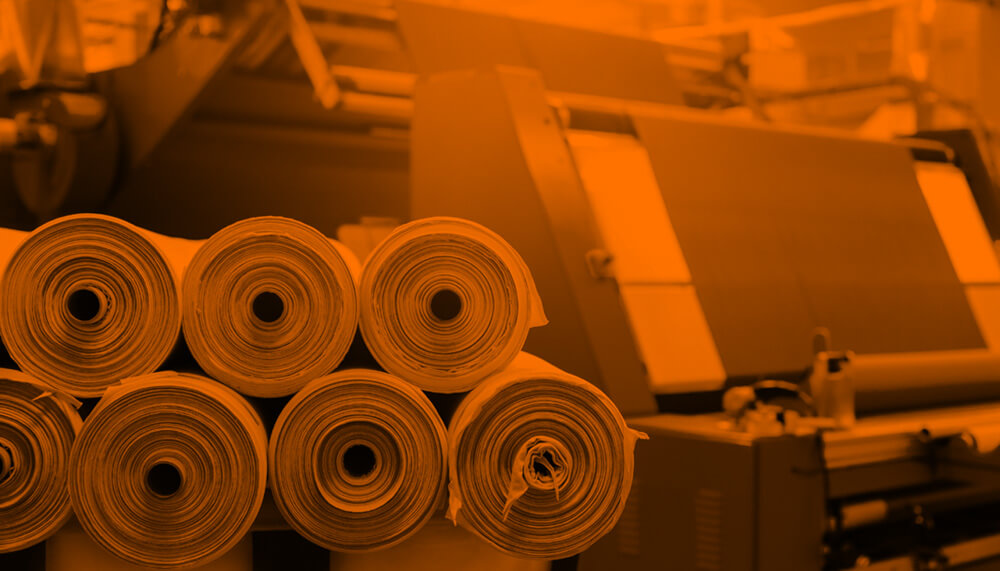
Technical textile fabrics are specialized materials designed for industrial or technical purposes, offering unique properties for various applications. These fabrics have a wide range of uses across different industries. Here are some common applications of technical textile fabrics:
1. Automotive Industry: Technical textile fabrics are used in automotive upholstery, seat covers, airbags, sound insulation, and fire resistance.
2. Construction and Building Materials: High-strength technical textile fabrics are used in construction for roofing membranes, wall coverings, insulation materials, and concrete reinforcement.
3. Defense and Military Applications: Technical textile fabrics are used in military equipment, uniforms, ballistic fabrics, and armor materials.
4. Aviation Industry: Technical textile fabrics are utilized in aircraft interiors for upholstery, insulation panels, high-strength ropes, and parachutes.
5. Sports and Outdoor Apparel: Technical textile fabrics are used in sportswear and outdoor gear for waterproofing, breathability, and flexibility.
6. Medical Textiles: Medical garments, surgical gowns, patient attire, and bandages are made using technical textile fabrics.
7. Filtration and Cleaning Materials: Technical textile fabrics are used in ventilation systems, water treatment facilities, and industrial filters.
8. Electronics and Technology: Technical textile products such as insulation materials and electromagnetic shields are used to protect electronic devices.
These applications represent just a few examples of where technical textile fabrics are commonly used, but they extend to various other industries as well. Technical textiles play a crucial role in many sectors and continue to be the subject of ongoing research for new and innovative applications.
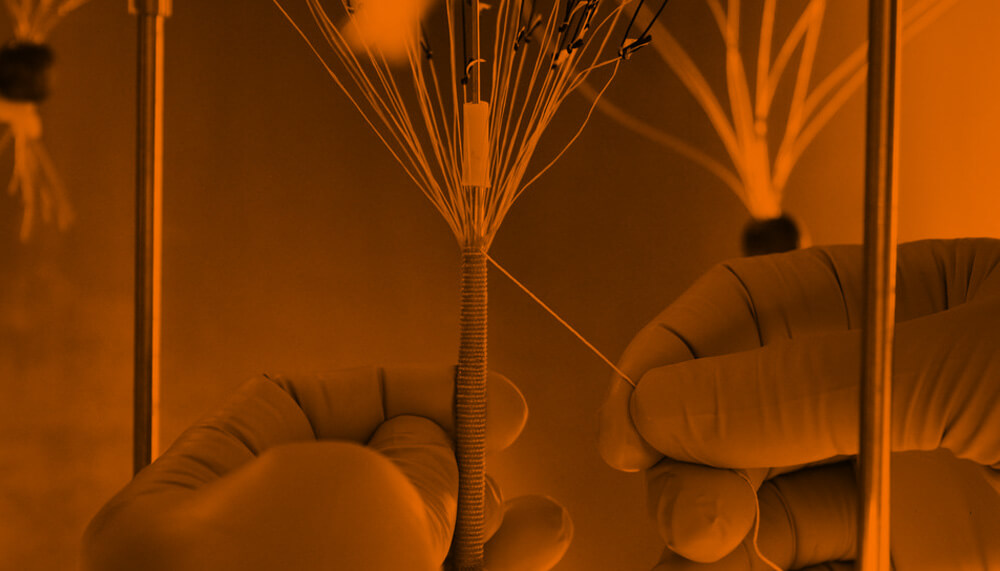
Medical apparel plays a critical role in ensuring the safety, comfort, and hygiene of healthcare professionals and patients. Here are some reasons why medical apparel is important:
1. Infection Control: Medical apparel helps prevent the spread of infections. Especially in hospital and clinic settings, proper attire contributes to maintaining hygienic standards and reducing the risk of infection.
2. Patient Protection: The use of appropriate medical apparel by healthcare personnel protects patients from bacteria, viruses, and other infections. This reduces the risk of patients acquiring infections while receiving healthcare services.
3. Protection for Healthcare Workers: Medical apparel protects healthcare workers from various hazards. Particularly during surgical procedures, garments like surgical gowns reduce the risk of skin contact and potential hazards from blood and other bodily fluids.
4. Preservation of Sterile Environments: Medical apparel aids in the preservation of sterile environments. In surgical areas and other sensitive medical environments, the use of proper medical attire can impact the sterility of the environment and surgical outcomes.
5. Professionalism and Trust: The use of medical apparel by healthcare professionals enhances patient trust and creates a professional image. This helps patients feel safe during their treatment processes, knowing they are receiving reliable healthcare services.
In conclusion, medical apparel is of vital importance in ensuring safety, maintaining hygienic standards, and providing quality patient care in healthcare settings. Therefore, healthcare institutions should implement appropriate medical apparel policies and take necessary measures to ensure the safety of both staff and patients.

Scrubs uniforms are specialized garments worn by healthcare professionals in various healthcare settings. Here are the applications of scrubs uniforms:
1. Hospitals: Scrubs uniforms are commonly worn by doctors, nurses, surgeons, and other healthcare staff in hospitals. In this environment, it is important for the uniforms to be comfortable, provide freedom of movement, and be hygienic.
2. Clinics: Scrubs uniforms are also widely used in doctor's offices and other medical clinics. In these settings, the uniforms enable healthcare professionals to work comfortably and maintain a hygienic environment.
3. Operating Rooms: During surgical procedures, surgeons, surgical technicians, and other members of the surgical team wear scrubs uniforms. These uniforms are specially designed to maintain the sterility of the surgical area.
4. Emergency Departments: Healthcare staff working in emergency departments also wear scrubs uniforms. In this environment, it is important for the uniforms to be durable and easily cleanable and disinfectable.
5. Other Healthcare Facilities: Personnel working in rehabilitation centers, nursing homes, and other healthcare facilities may also wear scrubs uniforms. These uniforms contribute to the comfort and hygiene of healthcare delivery.
Scrubs uniforms play an important role in the functionality and comfort of healthcare professionals and have a wide range of applications in various healthcare settings.

Patient gowns should be designed with specific features to ensure patient comfort, maintain a hygienic environment, and enhance the safety of healthcare workers. Here are the key features that patient gowns should have:
1. Comfort: Patient gowns should be designed to ensure patient comfort. They should be made from lightweight and breathable materials that do not cause irritation to the skin.
2. Ease of Donning: Patient gowns should be designed for easy donning and removal. Particularly for patients with limited mobility, they should be easy to put on and take off.
3. Adjustability: Patient gowns should be adjustable to accommodate different body sizes and shapes. Adjustable straps or ties can help the gown fit the patient's body better.
4. Durability: Patient gowns should be made from durable materials that can withstand frequent washing and disinfection. Additionally, gowns should be able to withstand long-term use.
5. Hygiene: Patient gowns should be made from hygienic materials to reduce the risk of infection. They should be regularly cleaned and disinfected to maintain cleanliness.
6. Functionality: Patient gowns should be practical and functional to meet the needs of patients. For example, pockets or additional accessories can be useful for carrying personal items or meeting other needs.
7. Affordability: Patient gowns should be affordable for hospitals or healthcare facilities. Affordable gowns can fit within the budget constraints of healthcare providers.
Ensuring that patient gowns have these features can improve patient satisfaction and safety, as well as the efficiency of healthcare delivery. Therefore, these factors should be considered when selecting patient gowns.

Cleaning a patient gown is crucial for maintaining a hygienic environment and reducing the risk of infection. Here are the steps for cleaning a patient gown:
1. Prompt Action: After removing a soiled patient gown, begin the washing process as soon as possible. Keep the soiled gown in a ventilated area and avoid direct contact.
2. Pre-wash: Pre-wash the soiled gown with a solution containing water and detergent. This helps dissolve and loosen organic matter from the gown.
3. Machine Washing: Wash the gown in an appropriate washing machine. Pay attention to the instructions on the label before washing and use the appropriate temperature setting.
4. Drying: Dry the washed patient gown by hanging it in the air or using a dryer. If using a dryer, dry at an appropriate temperature.
5. Ironing (Optional): If needed, iron the gown at an appropriate temperature. This ensures the gown looks neat and creates a sterile environment.
6. Storage: Store the cleaned and dried patient gown in a clean and dry area. The patient gown should be readily accessible for reuse when needed.
Regularly cleaning and disinfecting patient gowns is an important way to reduce the risk of infection and maintain a hygienic environment. By following the above steps, you can ensure that a patient gown is effectively cleaned.

A surgical gown is an essential protective garment used in surgical procedures, and it's crucial to use it correctly. Here are the steps for properly using a surgical gown:
1. Clean Hands: Before putting on the surgical gown, thoroughly wash and disinfect your hands. Clean hands are important to maintain the sterility of the surgical area.
2. Proper Donning: Before donning the surgical gown, carefully open it with clean, dry hands, and slip your arms into the gown sleeves. Pull the front of the gown forward, holding it in front of your body, and pull it back smoothly into place.
3. Fastening: Use the ties or clips at the back of the gown to secure it snugly around your body. The fastening should be secure but comfortable.
4. Keeping Closed: During the surgery, keep the gown closed and ensure it does not open during critical surgical steps. Use appropriate surgical gloves if necessary to provide additional protection.
5. Changing: The gown should be changed immediately if it becomes soiled or torn. During surgical procedures, you may need to change the gown; in such cases, carefully remove the soiled gown and put on a clean one.
6. Safe Disposal: Used gowns should be disposed of in appropriate containers where medical waste is safely disposed of.
When used correctly, a surgical gown helps ensure the safety of the surgical team and the patient and reduces the risk of infection. Therefore, it's important to use the gown properly during surgical procedures.
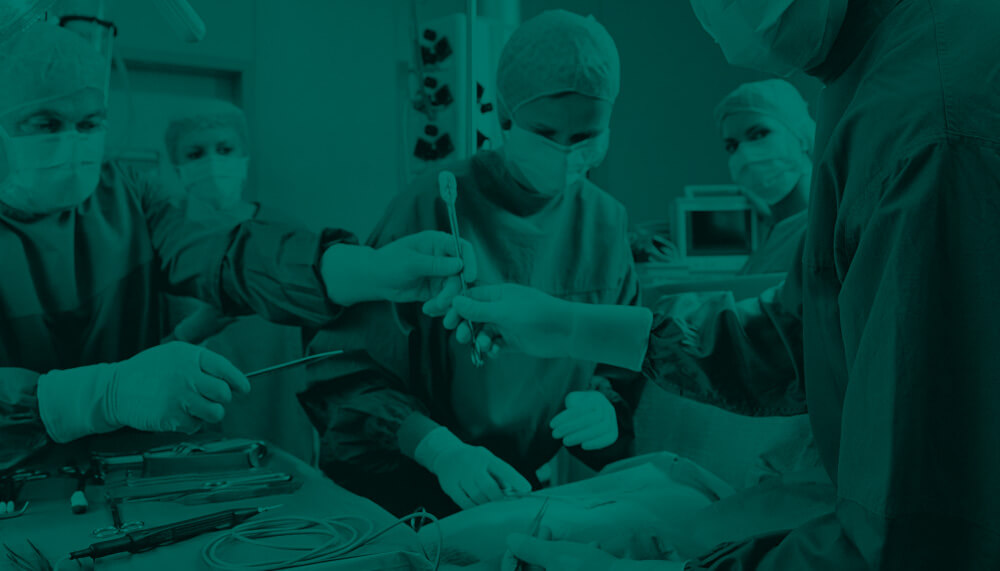
1. Contrast Reduction: Green is the opposite color of red, and it is believed that the red blood used in surgery can cause eye strain and fatigue. Green surgical attire rests the eyes and reduces contrast in the surgical field, potentially helping surgeons to focus for longer periods.
2. Symbolizing Sterility: Green is associated with freshness and health in nature. Therefore, green surgical attire may help create an impression of sterility and cleanliness.
3. Minimizing Eye Fatigue: Green is a color found in natural environments and is known to provide rest for the eyes. In the intense work environments where surgeons need to focus for extended periods, wearing green may help reduce eye fatigue.
4. Practicality: Green surgical attire can hide stains and blood, making it easier for surgeons to overlook contamination on their clothing.
However, in modern times, surgeons wear a variety of colors beyond traditional green, and the choice of color for surgical attire may depend on the preferences of the hospital or surgical team. Therefore, while there is no definitive answer to why surgeons wear green, the above theories are commonly accepted explanations.

The cleanliness of medical garments is crucial for maintaining a hygienic environment and reducing the risk of infection. Cleaning medical garments should be done following these steps:
Pre-treatment: Soiled garments should first be removed from the worn areas and placed outside contaminated zones. Hands, gloves, and other protective equipment should be properly removed and discarded.
Pre-wash: Soiled garments should be pre-washed with a solution containing water and detergent. This helps dissolve and remove organic matter from the garments.
Washing: Garments should be washed with an appropriate detergent and at the specified temperature. Hot water helps to kill bacteria and other microorganisms.
Rinsing: Washed garments should be rinsed with clean water. This ensures that detergent residues and dirt are completely removed.
Disinfection: Garments should be disinfected with an appropriate disinfectant solution. This kills potential pathogens on the garments and reduces the risk of infection.
Drying: Garments should be dried either in a dryer or naturally in the sun. High temperatures help to remove moisture from the garments and kill bacteria.
Ironing: When necessary, garments should be ironed at an appropriate temperature. This helps garments to be properly folded and hygienically stored.
In conclusion, the cleaning of medical garments should be done carefully, following proper hygiene standards. These steps enhance infection control and ensure the safety of healthcare providers and patients.
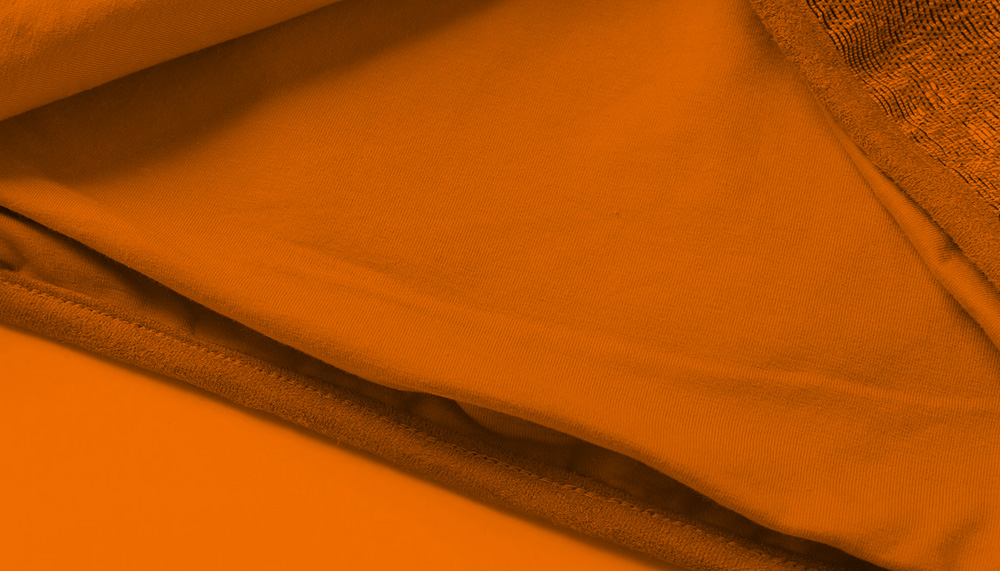
The fabric selection for medical garments should be carefully considered based on the intended use, functional requirements, and comfort. Medical garments typically require properties such as hygiene, durability, mobility, and fluid resistance. Here are some factors to consider when determining suitable fabrics for medical garments:
Hygiene: It's important for medical garments to be hygienic, so fabrics that are easily cleaned and disinfected should be preferred.
Durability: Garments worn in hospital environments are frequently laundered and disinfected, so they should be made from durable fabrics that can withstand repeated washing and maintain their integrity over time.
Mobility: Medical personnel need to move comfortably, so fabrics that are flexible and elastic should be chosen to prevent restrictions during daily activities and ensure ease of movement.
Fluid Resistance: Medical garments, especially for those working in surgical areas, should be fluid-resistant or waterproof to prevent the passage of fluids onto the skin or undergarments.
Breathability: Garments should be breathable to keep medical personnel comfortable and cool. Fabrics that allow airflow and reduce sweating should be selected.
Allergic Reactions: Fabrics that may cause allergic reactions in medical personnel should be avoided. Therefore, hypoallergenic and skin-friendly fabrics should be preferred.
In conclusion, the fabric selection for medical garments should take into account the usage area and requirements. Factors such as hygiene, durability, mobility, fluid resistance, breathability, and allergic reactions play a significant role in determining the appropriate fabric.
